Define the job your profile must do
Your profile has one job: help compatible adults recognise you and feel comfortable starting a conversation. It does not need to win universal approval. Before writing, define the reader in practical terms—not hair colour or measurements, but relationship intent, social energy, availability and values. Then ask what that person would need to know in the first minute to decide that a reply could be worthwhile.
This focus changes the success metric. A broad, polished bio may gather more likes while producing vague conversations with people who want different things. A more specific profile may receive fewer reactions and better replies. Measure introductions that become reciprocal exchanges, not raw attention. Dating software can display impressions and matches; only the conversation reveals whether the profile is attracting the kind of connection you intended.
Lead with a useful main photo
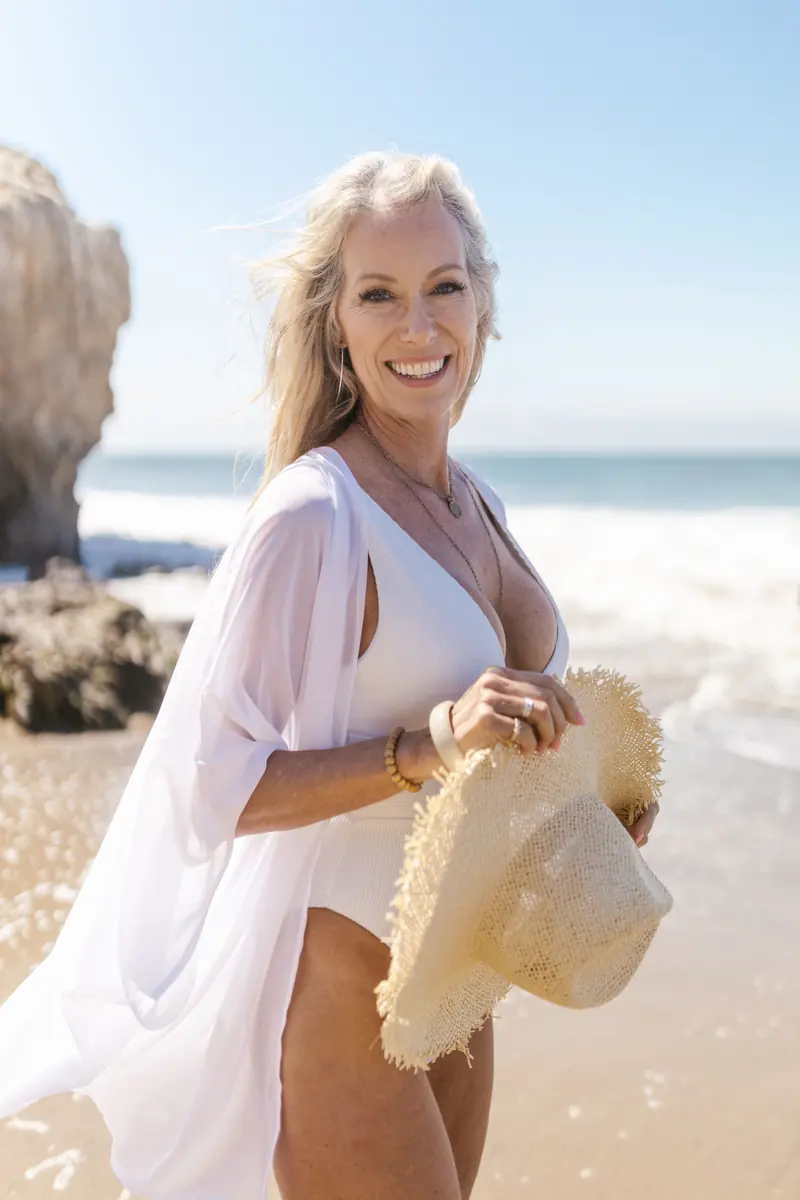
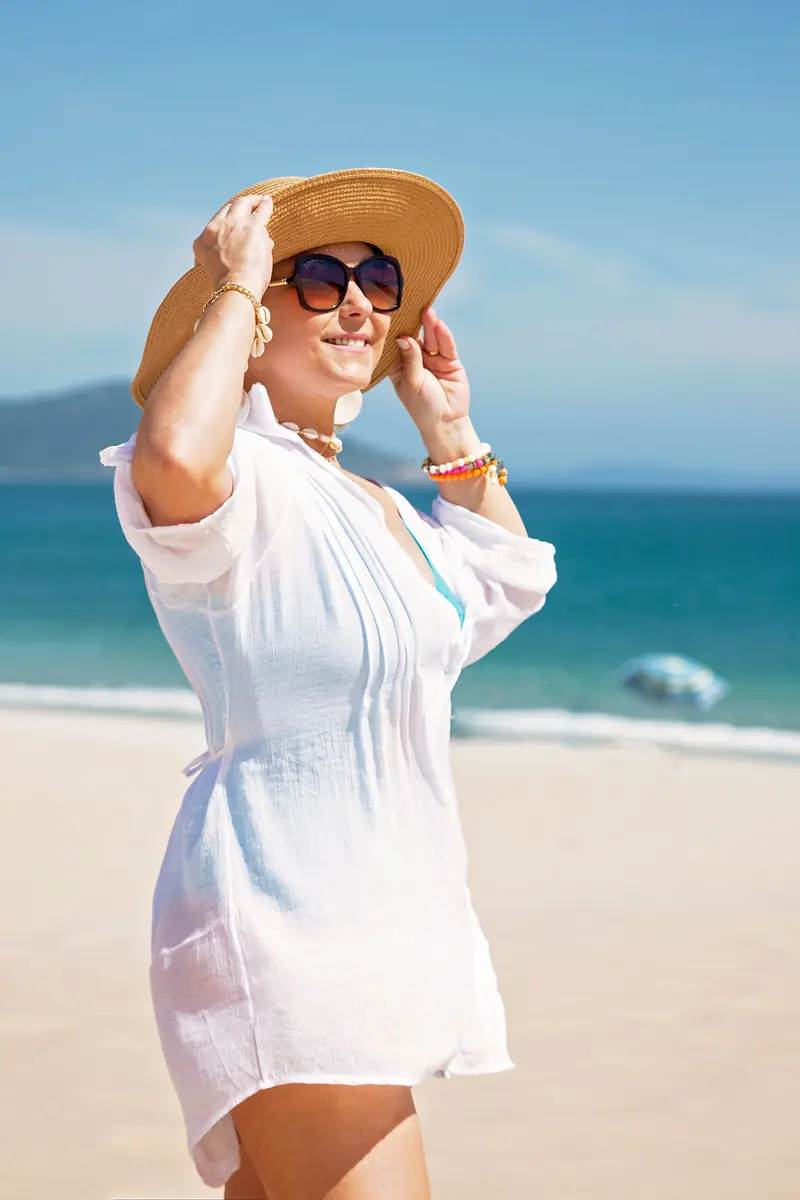
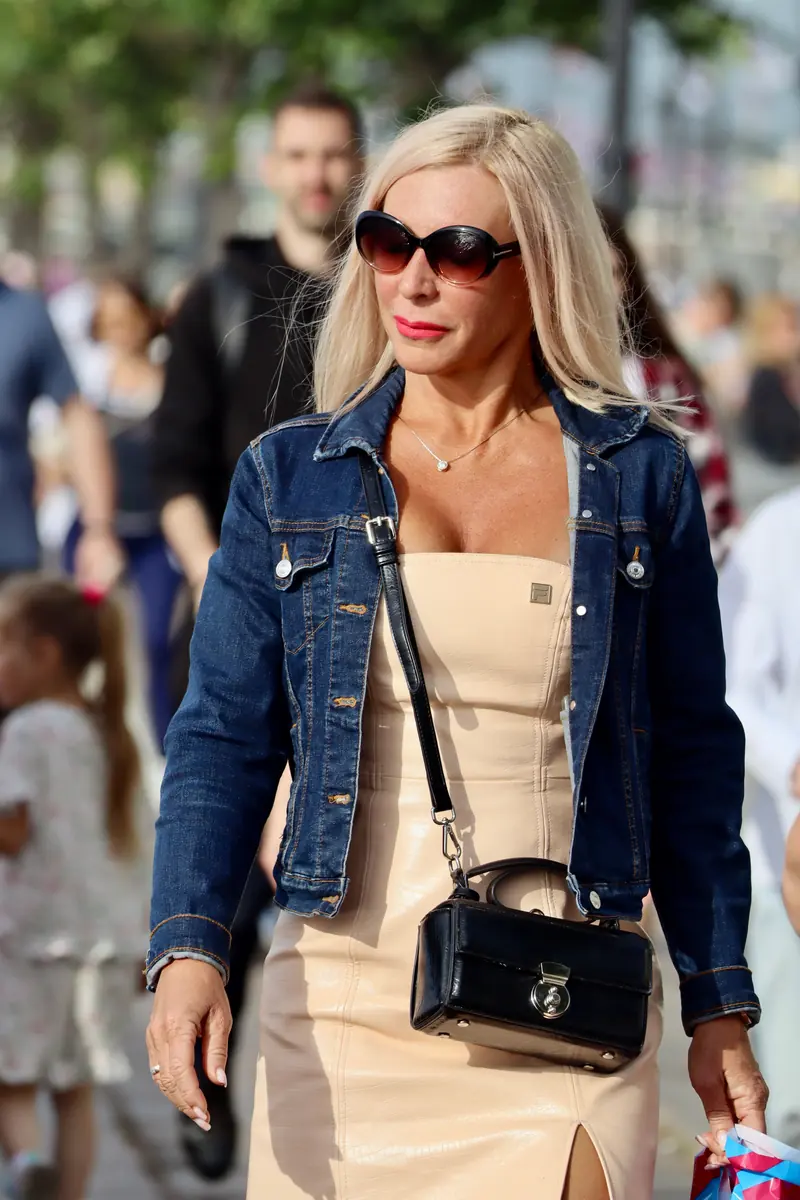
Lead with a photograph where your face is easy to recognise: natural light, direct focus and an expression that resembles how you actually meet people. Sunglasses, distant crops and group shots make the viewer work before trust exists. Glamour is welcome, but clarity comes first. A strong main photo quietly answers the most basic question—who am I speaking to?—without asking the written bio to compensate.
Choose the picture at thumbnail size as well as full size. Dating profiles are often scanned on a phone, where a beautiful wide composition can become an indistinct shape. Avoid aggressive retouching that changes features or skin texture. The goal is not to document every imperfect morning; it is to present an attractive and current version of yourself that will still feel honest when you arrive at the venue.
Build a small photo story
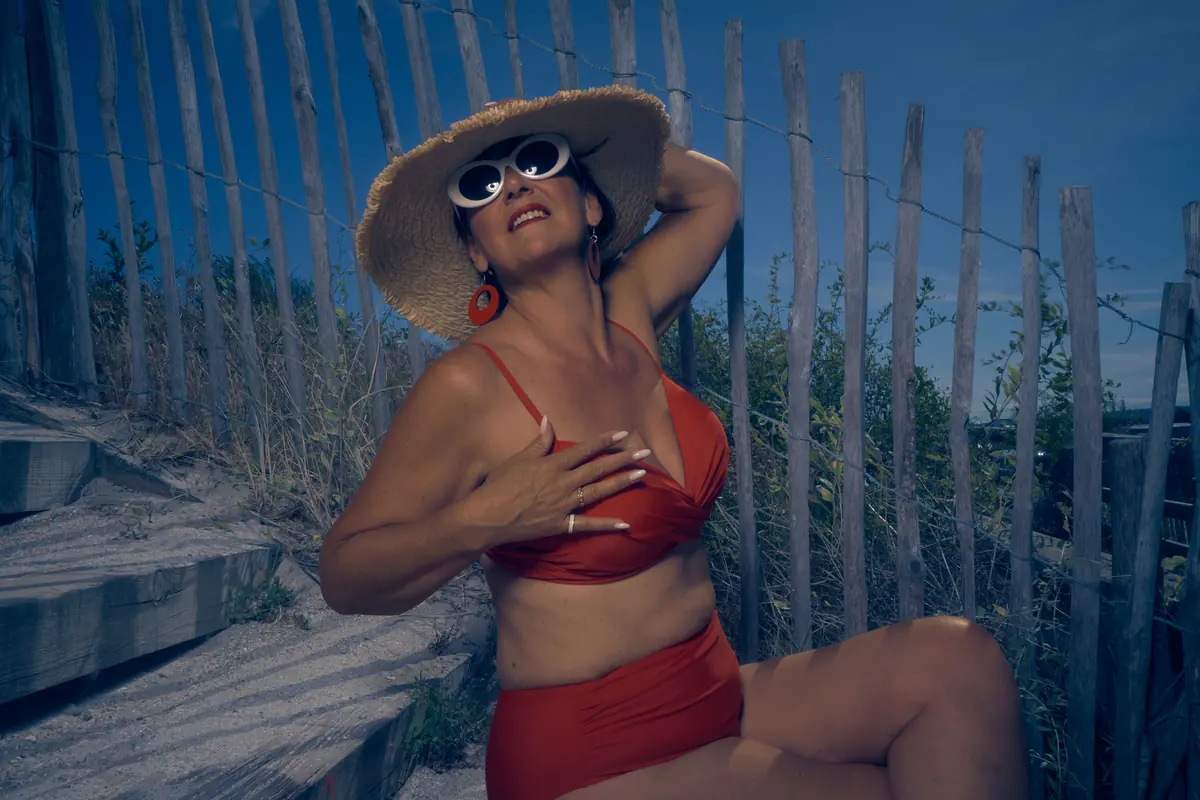
Build the remaining photographs as a short visual story. One full-length image answers questions about general appearance. An activity or setting reveals something you genuinely enjoy. A more dressed-up photograph shows another side without repeating the same pose. Four varied images usually communicate more than twelve near-identical selfies, and variety supplies natural material for first messages.
Every photograph should earn its place. Remove images that are years out of date, dominated by an ex-partner’s cropped shoulder or included only because the location looks expensive. Get permission before showing friends or relatives, and never expose children on an adult dating profile. Check backgrounds for house numbers, work badges and travel documents. Thoughtful curation signals judgement as much as appearance.
Replace adjectives with evidence
Generic adjectives disappear because everybody uses them. Instead of calling yourself adventurous, describe the last manageable adventure: learning to sail, driving to a tiny restaurant or taking a train to hear a band. Instead of “I love to laugh,” name the comedy, absurd habit or harmless opinion that reliably amuses you. Evidence gives personality a shape and lets a reader respond with her own experience.
Keep achievements in proportion. A dating profile is not a professional biography, and a catalogue of travel, property or career milestones can make warmth difficult to locate. Select details that reveal how spending time with you might feel. The Sunday breakfast you never skip can be more useful than a country count because it suggests pace, pleasure and a possible shared moment.
State what you want in human language
State what you are open to using ordinary language. If you want casual dating, explain whether that means non-exclusive dinners and intimacy, an ongoing connection without traditional milestones, or something else. If you hope for a relationship, describe the pace rather than announcing a predetermined destination. Clarity is attractive because it allows another adult to opt in without guessing what will be expected later.
Leave room for a person, not every outcome. “I am open to a relationship if the connection develops naturally” is clear without promising a future to someone you have not met. Mention discretion if it matters, but do not use the word to conceal facts that affect informed consent. Honest intent should reduce ambiguity; it should never become a polished way to avoid a necessary conversation.
Create conversation handles
Good profiles contain handles: small details another person can pick up and turn into a message. A favourite neighbourhood restaurant, an unpopular film opinion or a choice between a morning market and late music all work because they invite a specific answer. Place two or three handles across the bio instead of finishing with the exhausted instruction “just ask.” A stranger cannot know what to ask until you provide a door.
A prompt should invite, not test. “Tell me the song that always improves a drive” creates play. “Can you keep up?” asks the reader to prove herself before she knows you. Avoid riddles, demands for originality and warnings that boring messages will be ignored. If you want thoughtful openings, model thoughtfulness in the material you give people to use.
Set boundaries without sounding bruised
Boundaries belong in a profile when they help compatible people understand how to approach you. Phrase them around the behaviour you value: respectful messages, patient disclosure, no financial requests and a public first meeting. This sounds confident because it describes the experience you intend to create. A long collection of grievances makes every new reader answer for the conduct of previous matches.
Some limits should remain blunt. Adults only, no money, no secret recording and no pressure are not branding opportunities. Keep those statements concise, then return the profile to personality and possibility. You can be warm without being available to everybody, and direct without making the page hostile. The strongest boundary is reinforced by what you do after matching, not how dramatically it is announced.

Edit for rhythm and mobile reading
Most readers decide whether to continue from the first two lines, particularly on mobile. Open with substance rather than throat-clearing: remove “I never know what to write here,” declarations that friends forced you to join and empty greetings. Use short paragraphs with one purpose each—identity, lifestyle, intent and invitation. Varied sentence length keeps the bio conversational instead of sounding like a form.
Read the draft aloud. Your ear catches repetition, inflated language and sentences that do not resemble speech. Cut any claim already demonstrated by an example and replace jargon with the words you would use across a table. Keywords such as mature dating may help describe the context once; repeated phrases written for search engines make the profile feel synthetic and reduce the trust specificity was meant to build.
Review results without chasing the algorithm
Review the profile after two weeks of real use, not after every quiet evening. Track the quality of messages, the percentage that become balanced conversations and whether matches share your stated intent. If the wrong people keep replying, the issue may be unclear positioning rather than poor visibility. Change one element—main photo, opening lines or intent statement—so the result teaches you something.
Refresh photographs and details when your appearance, schedule or goals change. Do not chase every perceived algorithm shift or rewrite the bio into a new personality to increase attention. The profile should become more accurate, not more generic. Success is not a permanent score: it is the moment a compatible adult sees enough truth and texture to send a message you are genuinely pleased to receive.